
I have been gaming since I was a kid, and the number-one thing that puts newcomers off is not skill — it is the overwhelming amount of jargon and gear. It genuinely does not need to be complicated or expensive to start. This is the welcoming, no-gatekeeping guide I would give a friend who just said "I want to get into gaming but have no idea where to begin."
Gaming has evolved from a niche hobby into one of the world's most popular forms of entertainment, with billions of active players across every age group and background. Whether you have never picked up a controller or you simply want to understand the landscape before diving in, this guide covers everything a beginner needs to know. From understanding the different types of games available to choosing the right platform, picking up essential gear, and building good habits from day one, you will find practical and honest advice that cuts through the marketing noise. By the end, you will be ready to make confident choices and actually enjoy your first gaming experiences. Explore Gaming for more in-depth articles as you level up your knowledge.
Understanding Game Genres: What Kind of Player Are You?
One of the most common mistakes beginners make is buying a game because it looks impressive on a box or in a trailer, only to discover that the genre simply does not suit their play style. Before spending money, take a moment to understand the major game categories and what each one demands from you as a player.
First-Person Shooters (FPS)
First-person shooters place you inside the action, viewing the world through the character's eyes as you aim and shoot. Games like Call of Duty, Valorant, and Halo are iconic examples. These games reward fast reflexes, sharp aiming, and quick decision-making. They are competitive and often feature robust online multiplayer modes. Beginners may find the learning curve steep at first, but the genre is deeply rewarding once you find your footing.
Role-Playing Games (RPG)
RPGs are story-driven adventures where you build a character, make choices, and progress through an evolving narrative. Titles like The Witcher 3, Elden Ring, and Final Fantasy XVI are well-loved examples. These games tend to be longer and more forgiving for newcomers because the pace is slower and the focus is on exploration and story rather than raw reflexes.
Strategy Games
Strategy games challenge your planning and resource management skills. Real-time strategy (RTS) games like StarCraft II require quick thinking, while turn-based titles like Civilization VI let you take your time. If you enjoy puzzles and long-term planning, strategy is a genre worth exploring.
Sports and Racing Games
Sports simulations such as FIFA, NBA 2K, and Gran Turismo replicate real-world sports with impressive fidelity. These are excellent starting points for people who already follow sports and want a familiar context to learn gaming mechanics.
Indie Games
Independent games are made by small studios and often prioritize creativity over technical spectacle. Titles like Stardew Valley, Hollow Knight, and Celeste are beloved for their charm, originality, and accessible design. Many indie games are affordable and perfect for beginners who want meaningful experiences without a steep price tag.
| Genre | Example Titles | Skill Focus | Beginner Friendliness |
|---|---|---|---|
| First-Person Shooter | Call of Duty, Halo, Valorant | Reflexes, Aiming | Moderate |
| Role-Playing Game | The Witcher 3, Final Fantasy XVI | Exploration, Story | High |
| Strategy | Civilization VI, StarCraft II | Planning, Management | Moderate |
| Sports / Racing | FIFA 26, Gran Turismo 7 | Coordination, Timing | High |
| Indie | Stardew Valley, Celeste | Varied | Very High |
Choosing Your Platform: PC, Console, or Mobile
The platform you choose shapes your entire gaming experience — the games you can access, the cost of entry, and the social circles you join. There is no universally correct answer, but understanding the trade-offs helps you pick the right fit. For a deeper comparison of your options, read How to Choose Your First Gaming Setup on Any Budget to match platform choices to your financial situation.
PC Gaming
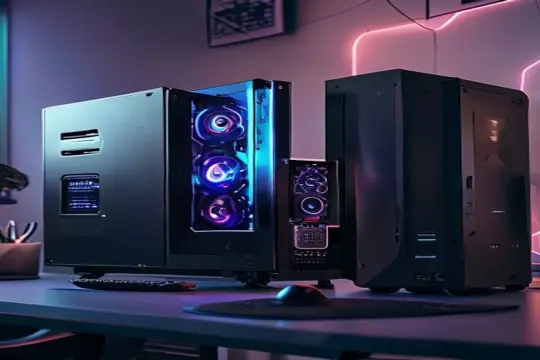
A gaming PC offers the widest game library, the highest potential performance, and the most flexibility. You can upgrade individual components over time, access games from multiple storefronts (Steam, Epic Games, GOG), and use the same machine for work and gaming. The downside is a higher upfront cost and a more involved setup process.
Console Gaming
Consoles such as the PlayStation 5 and Xbox Series X are purpose-built for gaming. They are easy to set up, reliable, and offer excellent exclusive titles. They cost less than a comparable PC and require almost no technical knowledge to operate. Multiplayer requires a paid subscription, which adds to the long-term cost.
Mobile Gaming
If you own a smartphone, you already have a gaming device. Mobile gaming has grown enormously and offers thousands of free-to-play titles. The trade-off is that many mobile games rely on microtransactions and shorter play sessions. However, premium mobile games and cloud gaming services now bring console-quality experiences to phones.
Essential Gear for New Gamers
You do not need to spend a fortune on gear when you are just starting out. Focus on the basics and upgrade as your interest grows.
- Controller or keyboard and mouse: Consoles come with a controller, but PC players need to decide between a mouse and keyboard (better for shooters and strategy) or a gamepad (better for action and sports games).
- Headset: A basic gaming headset improves both immersion and communication with other players online. Budget options from brands like HyperX and SteelSeries offer solid quality under $50.
- Display: For consoles, any modern TV with HDMI input works fine. PC gamers should look for a monitor with at least a 144Hz refresh rate for smoother gameplay.
- Internet connection: Online gaming requires a stable broadband connection. A wired Ethernet connection is always preferable to Wi-Fi for reducing lag.
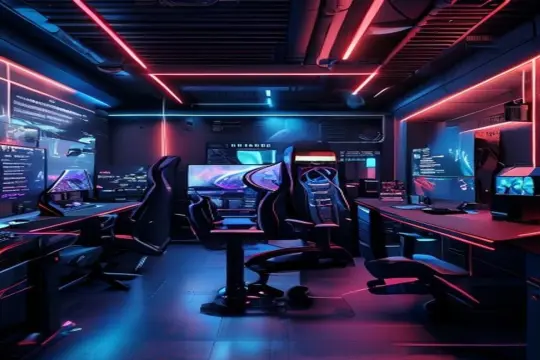
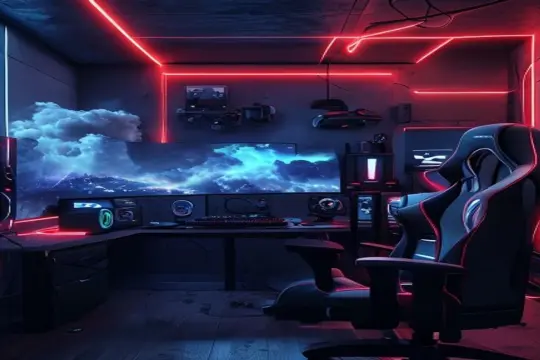
- Gaming chair or comfortable seating: You will spend hours in your setup — invest in ergonomic seating to protect your back and neck during long sessions.
Beginner-Friendly Games to Start With
Choosing your first games well makes the difference between falling in love with gaming and giving up in frustration. Stick to titles designed with accessibility in mind and avoid jumping straight into the most competitive online games.
Minecraft is arguably the best starting point for any new gamer. Its open-ended sandbox world lets you play at your own pace without any pressure. Mario Kart remains a timeless party game that anyone can pick up in minutes. For story lovers, games like It Takes Two or Uncharted 4 offer cinematic experiences that feel closer to interactive movies. If you want something social, Among Us and Fall Guys are lighthearted multiplayer games that welcome newcomers.
Stay up to date with what the broader gaming world is doing by checking Gaming Trends 2026: What Is Shaping the Industry — many of the best beginner titles are emerging from new platforms and services covered there.
Understanding the Gaming Community
Gaming has a rich social culture, but it can feel overwhelming from the outside. Most major games have dedicated communities on Reddit, Discord, and YouTube where players share tips, fan art, and discussions. Joining these communities is one of the fastest ways to improve your skills and find like-minded people to play with.
Streaming platforms like Twitch and YouTube Gaming are excellent resources for learning. Watching experienced players is genuinely educational and helps you understand mechanics before you encounter them yourself. Do not be afraid to ask questions — gaming communities are generally welcoming to beginners who show genuine interest.
For a broader look at how gaming fits into your overall entertainment life alongside movies, music, and other media, visit Entertainment and explore the full range of content we cover, including Entertainment Guide: Gaming, Movies, Music and More.
Common Beginner Mistakes to Avoid
Many new players stumble over the same predictable pitfalls. Being aware of them in advance can save you time, frustration, and money.
- Buying the most expensive hardware before knowing whether you enjoy gaming.
- Starting with the hardest or most competitive games in a genre.
- Ignoring tutorials and trying to figure everything out alone.
- Playing for too many hours without breaks, leading to physical strain and burnout.
- Spending heavily on in-game purchases before understanding how a game works.
- Comparing your skill level to experienced players who have thousands of hours of practice.
FAQ
Do I need to spend a lot of money to get started with gaming?
No. You can start gaming for free or very cheaply using a smartphone and free-to-play titles. Even if you want a dedicated gaming device, used consoles and budget-friendly PCs provide excellent experiences without a large upfront investment. The important thing is to match your spending to your level of interest before committing to expensive hardware.
Is gaming suitable for all ages?
Yes. Gaming spans every age group. Games are rated by organizations like the ESRB (in North America) and PEGI (in Europe) to help players and parents choose age-appropriate content. There are excellent, engaging titles for children, teenagers, adults, and seniors alike. Many families use gaming as a bonding activity.
Can I play games without a fast internet connection?
Many single-player games work completely offline and do not require an internet connection at all. However, online multiplayer modes and cloud gaming services require a stable, reasonably fast connection. If your internet is unreliable, focus on single-player titles to start and explore online gaming once your connection improves.
How much time should I spend gaming as a beginner?
There is no fixed rule, but moderation matters. Starting with one to two hours per day gives you enough time to make real progress without disrupting sleep, work, or social obligations. As your enthusiasm grows, you can adjust your schedule. Listen to your body — take regular breaks to rest your eyes and stretch.
What if I am not good at games right away?
Being bad at games when you start is completely normal. Every experienced player was a beginner once. Focus on games that match your current skill level, complete the in-game tutorials, and celebrate small improvements. Skill builds gradually over dozens of hours of practice. The goal at the beginning is simply to have fun, not to be competitive.
Ignore the Gatekeepers
You do not need a top-end rig or expensive peripherals to enjoy games — some of the best experiences run on modest hardware or a phone. Start with what you have, play what genuinely appeals to you, and upgrade only when you actually feel a limit. Anyone who tells you otherwise is protecting their own ego, not helping you.
Conclusion
Starting your gaming journey does not have to be complicated or expensive. By understanding the major genres, choosing a platform that suits your lifestyle and budget, picking up a few essential pieces of gear, and selecting beginner-friendly games to start with, you set yourself up for a genuinely rewarding experience. Gaming offers something for everyone — deep stories, competitive thrills, creative sandboxes, and social connections that span the globe. Take your time, explore what interests you, and do not let the scale of the hobby intimidate you. Every legendary gamer started exactly where you are now. Browse more guides in Gaming to continue building your knowledge and confidence as you start this exciting new chapter.
New to gaming and not sure what to try first? Tell me what you enjoy and I will happily suggest something. — Hemant

Leave a comment
Your email address will not be published. Required fields are marked *