
I wrote this from genuine interest in the subject rather than to tick a box, and I have tried to keep it honest and practical throughout. Here is my take, based on real experience rather than recycled talking points.
The way people cook and eat is changing faster than at any point in recent memory. A combination of shifting health priorities, climate consciousness, technological innovation in the kitchen, and a surging curiosity about global flavors has produced a food culture in 2026 that is more diverse, more experimental, and more informed than ever before. From fermented foods filling pantry shelves to air fryers replacing conventional ovens in millions of kitchens, the trends defining this moment are genuinely exciting. Whether you are a curious home cook or someone who wants to stay ahead of what people are eating, this guide covers the biggest food trends of 2026 and how you can incorporate them into your own kitchen. If you need foundational cooking skills first, Cooking for Beginners: Essential Recipes Everyone Should Master is the ideal starting point.
Plant-Based 2.0: Beyond the Meat Substitute
The first wave of plant-based eating centered on meat substitutes — products engineered to look, taste, and smell like beef or chicken. In 2026, the conversation has moved on. Consumers have grown more sophisticated, and the new trend is whole-food plant cooking: meals built around legumes, grains, vegetables, and fungi that celebrate what those ingredients actually are rather than imitating something else.
Legumes as the Star
Lentils, chickpeas, black beans, and white beans are headlining dishes that would previously have featured a meat centerpiece. Crispy roasted chickpeas, lentil bolognese, and white bean stews are appearing on restaurant menus and home tables in equal measure. The appeal is nutritional — legumes are high in protein and fiber — as well as economic, since they remain among the most affordable foods available anywhere in the world.
Whole Mushroom Cooking
Mushrooms — particularly king oyster, maitake, lion's mane, and shiitake — have become central ingredients rather than garnishes. Their umami depth, meaty texture when roasted or grilled, and genuine health credentials (several species are associated with immune and cognitive benefits) have propelled them from specialty grocery store curiosity to mainstream supermarket staple. Whole roasted king oyster "scallops" and maitake "steaks" are among the most shared recipe formats on social media this year. Browse Recipes for mushroom-forward dishes that showcase this trend at home.
Fermented Foods: The Gut Health Revolution Matures
Fermentation was already trending in 2024 and 2025, but 2026 is the year it has fully moved from health-food niche to mainstream kitchen practice. The science connecting gut microbiome health to immunity, mental health, and metabolic function has become widely understood by the general public, and fermented foods are the most direct and delicious way to support gut health through diet.
What Is Being Fermented
Beyond kimchi and sauerkraut — which remain extremely popular — home fermenters are now making their own kombucha, kefir, miso, tepache (fermented pineapple drink), and lacto-fermented vegetables of every variety. Supermarkets have responded with dedicated fermented food sections that go well beyond the yogurt aisle. Miso paste is becoming a standard pantry ingredient used to add depth to soups, dressings, marinades, and even desserts.
Global Fusion Cuisine: Honest Borrowing from World Kitchens
Cross-cultural cooking has always existed, but the version emerging in 2026 is characterized by a more respectful, research-driven approach to borrowing from other food traditions. Rather than surface-level fusion gimmicks, the most interesting cooking happening right now involves deeply understanding a cuisine's flavor principles before blending them with local or familiar ingredients.
Key Fusion Combinations Dominating 2026
- Korean-Mexican: Gochujang-marinated proteins in tacos and burritos, kimchi quesadillas, and Korean-spiced elote have exploded in popularity following their long-established success in food trucks.
- Middle Eastern-Mediterranean: Za'atar, sumac, preserved lemon, and pomegranate molasses are appearing in Italian and Greek-inflected dishes, creating a broader Eastern Mediterranean cooking style.
- West African-Scandinavian: The clean, grain-forward simplicity of Nordic cooking paired with the bold spices and legume richness of West African cuisine has produced striking combinations in fine dining and is now being adapted by home cooks.
- Japanese-Peruvian (Nikkei cuisine): This highly refined fusion with roots in Peru's Japanese immigrant community has entered the mainstream, with dishes like tiradito and Japanese-style ceviche appearing outside specialist restaurants.
High-Protein Diets: The Trend That Will Not Slow Down
High-protein eating — driven by a combination of fitness culture, weight management science, and the growing popularity of strength training — shows no signs of declining in 2026. What has changed is how people are meeting protein targets. Rather than relying solely on chicken breast and protein shakes, the 2026 approach to high-protein eating is more culinarily interesting.
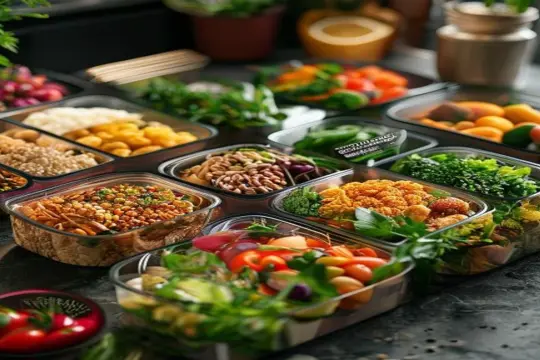
Greek yogurt, cottage cheese, edamame, tempeh, canned fish, and eggs are being incorporated creatively into dishes that do not feel like "diet food." Cottage cheese smoothies, edamame pasta, smoked salmon grain bowls, and tempeh stir-fries are all high-protein formats that are genuinely enjoyable to eat. The intersection of high-protein and plant-based eating is also particularly active, as people seek ways to meet protein needs without relying heavily on meat. See How to Meal Prep for the Entire Week in Two Hours for strategies on incorporating high-protein meal prep into your weekly routine.
The Air Fryer Revolution: Still Growing
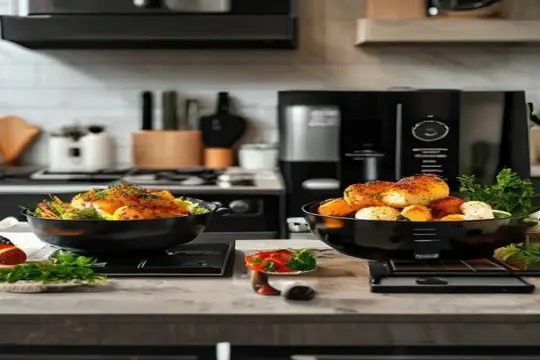
Air fryers crossed the threshold from novelty appliance to kitchen standard around 2023, but their cultural penetration continues to deepen in 2026. Sales remain strong and the recipe ecosystem around air fryers has become vast and sophisticated, covering everything from crispy snacks to full roast dinners, baked goods, and dehydrated foods. The appeal remains consistent: faster cooking than a conventional oven, dramatically less oil than deep frying, and a crispiness that is genuinely difficult to replicate with other methods. Understanding when to use an air fryer versus your oven is increasingly important for home cooks — for a detailed breakdown, see Air Fryer vs Oven: Which Cooking Method Is Better?.
Sustainable Eating: From Awareness to Action
Environmental awareness around food has shifted from a background concern to an active cooking principle for a significant and growing segment of home cooks. Sustainable eating in 2026 is not just about reducing meat — it encompasses reducing food waste, sourcing locally and seasonally, choosing sustainably fished seafood, and selecting products with minimal packaging.
Zero-Waste Cooking Techniques
Using vegetable scraps to make stocks, preserving excess produce through fermenting or pickling, using whole-animal proteins when possible, and planning meals specifically to eliminate leftovers are all practices gaining traction. The overlap between sustainability and frugality means these habits have broad appeal beyond the environmentally motivated.
Convenience Cooking Evolves
Convenience cooking has always been part of the food landscape, but what "convenience" means has evolved considerably. In 2026, convenience no longer means just instant noodles and frozen pizza — it means high-quality meal kits, sophisticated semi-homemade cooking (combining fresh and prepared ingredients intelligently), and single-appliance meals that minimize cleanup without sacrificing quality.
Explore Food & Drink for recipes that combine the convenience of quick preparation with the nutritional quality of home cooking.
Top Food Trends of 2026
| Trend | Key Drivers | Signature Dishes / Foods | Home Cook Accessibility |
|---|---|---|---|
| Plant-Based 2.0 | Health, sustainability, taste evolution | Lentil bolognese, roasted mushroom steaks, crispy chickpeas | Very high |
| Fermented Foods | Gut health science, flavor complexity | Homemade kimchi, miso glazes, kefir smoothies | High (with learning curve) |
| Global Fusion Cuisine | Globalization, social media, diaspora cooking | Korean tacos, za'atar pasta, Nikkei ceviche | High |
| High-Protein Eating | Fitness culture, weight management, satiety | Cottage cheese bowls, edamame pasta, tempeh stir-fries | Very high |
| Air Fryer Cooking | Speed, crispiness, energy efficiency | Air fryer roast vegetables, crispy tofu, baked goods | Very high |
| Sustainable / Zero-Waste | Environmental awareness, food costs | Scrap vegetable stocks, pickled excess produce, whole-animal cooking | Medium to high |
| Elevated Convenience | Time constraints, quality expectations | Semi-homemade meals, quality meal kits, single-pan dinners | Very high |
FAQ
What is the biggest food trend of 2026?
High-protein eating and plant-based whole-food cooking are arguably the two most dominant trends, and they often overlap. Both reflect a broader shift toward food that is intentionally nutritious rather than simply convenient. The fermented food movement is a very close third in terms of mainstream penetration, with gut health awareness continuing to drive consumer choices.
Is the plant-based trend fading or growing?
The first wave of ultra-processed plant-based meat substitutes has cooled somewhat. However, whole-food plant-based cooking — centered on legumes, vegetables, grains, and fungi — is genuinely growing and shows stronger staying power because it aligns with both health and sustainability goals without relying on heavily engineered products.
What fermented foods are easiest to make at home?
Lacto-fermented vegetables — cucumbers, carrots, and cabbage in a simple salt brine — are the easiest entry point. They require no special equipment beyond a jar with a lid and take three to seven days. Kombucha and kefir require a starter culture (SCOBY and kefir grains respectively) but are still very accessible once you have the starter.
Are food trends just about novelty or do they reflect real behavior change?
The strongest trends of 2026 reflect genuine and lasting behavior changes rather than novelty cycles. High-protein eating, gut health awareness, and sustainable food choices are backed by growing bodies of scientific evidence and are supported by structural changes in how food is grown, sold, and marketed. That said, some aspects of global fusion and elevated convenience cooking are faster-moving and may shift significantly within two to three years.
How can a home cook start incorporating these trends without overhauling their entire approach?
Start with one trend at a time. Add a fermented ingredient like miso or kimchi to a meal you already cook. Swap one weekly meat-based dinner for a legume-based dish. Try one global spice blend you have never used before. Small, incremental additions build a much more sustainable and enjoyable relationship with evolving food culture than trying to adopt everything at once.
My Honest Take
The most useful thing I can offer here is perspective from having actually engaged with this topic rather than just researched it. Take what is useful, question the rest — that is how I would read it too.
Conclusion
The food landscape of 2026 is defined by a combination of health consciousness, environmental responsibility, technological convenience, and genuine culinary curiosity. Plant-based cooking has matured beyond substitutes into whole-ingredient creativity. Fermentation has moved from fringe to mainstream. Global fusion is producing some of the most exciting flavors in recent memory. High-protein eating is reshaping how people structure meals. And tools like the air fryer continue to democratize the kind of crispy, satisfying cooking that once required professional equipment or deep fryers. These are not passing fads — they are the direction that home cooking is heading, and engaging with even one or two of them will make your kitchen a more interesting and nutritious place this year.
Questions or a different view? Our inbox is always open. — Hemant

Leave a comment
Your email address will not be published. Required fields are marked *